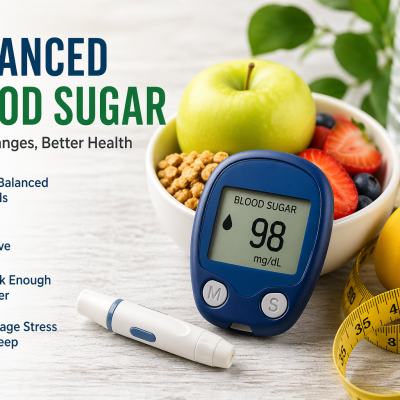

Weight management is one of the most discussed topics in modern health, yet it’s also one of the most misunderstood. Many people believe that managing weight is simply about eating less and exercising more. While these factors do play a role, the reality is much more complex.
Your body’s metabolism, daily habits, sleep patterns, stress levels, and even consistency in routine all influence how your body stores and uses energy. Understanding these elements can help you take a more balanced and sustainable approach to managing your weight.
🧠 What Is Metabolism?
Metabolism refers to the processes your body uses to convert food into energy. Every function in your body—from breathing to digestion to movement—requires energy, and metabolism is responsible for supplying it.
There are three main components of metabolism:
Basal metabolic rate (BMR), which is the energy your body uses at rest
Physical activity, which includes all movement throughout the day
Thermic effect of food, which is the energy used to digest and process what you eat
Each person’s metabolism is unique and influenced by factors such as age, genetics, body composition, and lifestyle habits.
⚖️ Why Weight Management Is Not Just About Calories
The idea that weight is only about calories in versus calories out is an oversimplification. While calorie balance matters, it does not account for how your body responds to different foods, routines, and environmental factors.
For example, two people can eat the same number of calories but experience different results due to variations in metabolism, hormone levels, and daily habits.
This is why a more holistic approach to weight management often leads to better long-term outcomes.
🔍 Factors That Influence Metabolism

Several key factors can affect how efficiently your body uses energy.
Age plays a role, as metabolism tends to slow down over time. Muscle mass is another important factor, as muscle tissue burns more energy than fat, even at rest.
Sleep quality can also influence metabolism. Poor sleep may disrupt hormones that regulate hunger and energy use.
Stress is another significant factor. When stress levels are high, the body may produce hormones that influence appetite and fat storage.
Daily activity levels, even small movements like walking or standing, can contribute to overall energy expenditure.
🥗 The Role of Nutrition in Weight Balance
What you eat is just as important as how much you eat. A balanced approach to nutrition focuses on quality, not just quantity.
Whole foods such as vegetables, fruits, lean proteins, and healthy fats can support overall wellness. These foods tend to be more nutrient-dense and may help you feel satisfied for longer periods.
Highly processed foods, on the other hand, are often calorie-dense but less filling, which can lead to overeating.
Including protein in meals may support muscle maintenance, while fiber-rich foods can help promote satiety and digestive health.
Hydration is also important. Drinking enough water supports many bodily functions, including metabolism.
🚶 Daily Habits That May Support Weight Management
Small, consistent habits can have a meaningful impact over time.
Maintaining a regular eating schedule may help support metabolic balance. Skipping meals or eating irregularly can sometimes disrupt energy levels.
Incorporating movement into your daily routine doesn’t necessarily mean intense workouts. Simple activities like walking, stretching, or staying active throughout the day can contribute to overall energy use.
Getting adequate sleep is essential. A consistent sleep routine may help support hormonal balance and energy regulation.
Managing stress through relaxation techniques, mindfulness, or simple breaks during the day may also support overall well-being.
🔄 The Importance of Consistency Over Perfection
One of the biggest challenges in weight management is the pursuit of perfection. Many people follow strict routines for a short period but struggle to maintain them long-term.
Sustainable results often come from consistency rather than extreme efforts. Small, manageable changes that you can maintain over time are more effective than short-term, intense strategies.
Focusing on gradual improvements can help build habits that last.
⚠️ Common Misconceptions About Weight Loss
There are many misconceptions that can make weight management more confusing.
One common myth is that skipping meals helps with weight loss. In reality, it may lead to increased hunger and overeating later.
Another misconception is that all calories are equal. While calorie balance matters, the source of those calories can affect how your body processes them.
There is also a belief that faster results are better. However, rapid changes are often difficult to maintain and may not support long-term balance.
Understanding these misconceptions can help you make more informed decisions.
🌿 Supporting Metabolism Through Lifestyle
Many people today are focusing on lifestyle-based approaches to support metabolism and maintain a healthy weight.
This includes consistency in daily routines, balanced nutrition, regular movement, and overall awareness of habits.
Rather than looking for quick fixes, focusing on long-term habits may provide more sustainable results.
🧠 Mindset and Long-Term Success
Your mindset plays a crucial role in how you approach weight management.
Instead of focusing only on outcomes, shifting your attention to daily habits can create a more positive and sustainable approach.
Celebrating small progress, staying patient, and maintaining realistic expectations can help you stay consistent over time.
Weight management is not just a physical process—it’s also influenced by mental and emotional factors.
⚖️ Building a Sustainable Routine
A sustainable routine doesn’t have to be complicated. It should be simple enough to fit into your daily life.
This might include:
- Eating balanced meals
- Staying active throughout the day
- Maintaining a consistent sleep schedule
- Staying hydrated
- Managing stress levels
Over time, these habits can contribute to a more balanced lifestyle.
🌿 Final Thoughts
Weight management and metabolism are influenced by a wide range of factors, from daily habits to overall lifestyle patterns. There is no one-size-fits-all approach, and what works best is often a combination of small, consistent changes.
By focusing on balance, awareness, and sustainable habits, you can create a routine that supports your long-term well-being.
Disclaimer
This content is for informational purposes only and does not constitute medical advice. Always consult a qualified professional for any health-related concerns.